
There’s a misconception that emotionally intelligent people are always composed, unbothered, and steady.
That’s not reality.
Emotional intelligence is not about eliminating emotion.
It’s about recognizing when emotion is driving the moment—and knowing what to do next.
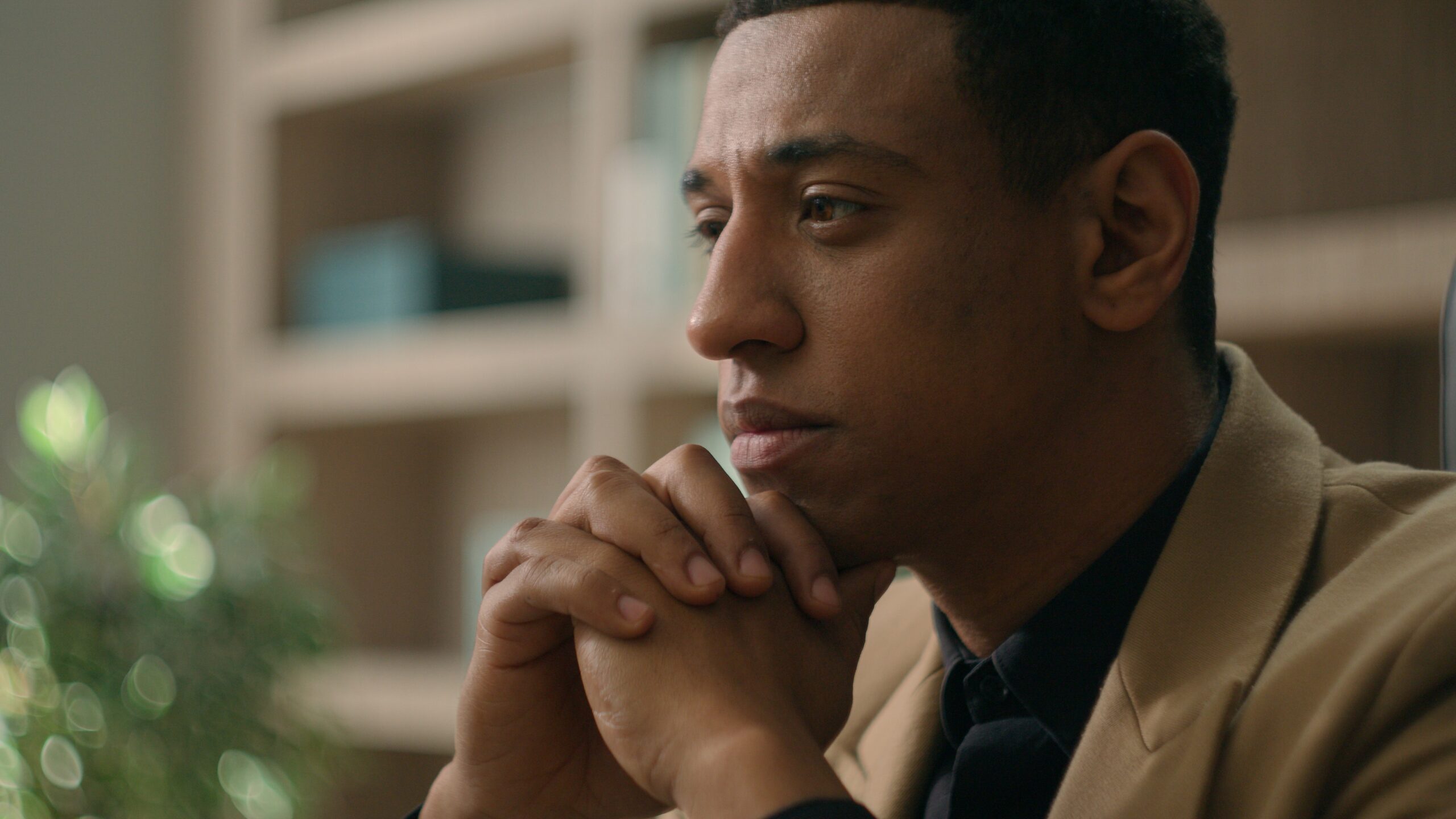
It’s the ability to pause when everything in you wants to react.
To notice the shift before it turns into behavior.
To stay engaged when it would be easier to withdraw or push back.
What Happens When We Don’t Catch It
When we’re not aware of what’s happening internally, we move into autopilot.
And autopilot looks different for everyone:
- Some people get quiet and disengage
- Others get sharp, defensive, or reactive
- Some over-explain or try to regain control
But the common thread is this: We’re no longer choosing how we show up—we’re reacting.
And over time, those small moments shape team culture.
- Conversations get avoided
- Feedback gets filtered
- Trust erodes quietly
Why This Matters More Than Ever
In fast-paced, high-pressure environments, emotions aren’t going anywhere.
If anything, they’re amplified.
Which means emotional intelligence isn’t a “nice to have”—it’s a leadership skill.
Because how you manage yourself in those moments doesn’t just impact you.
It shapes how safe others feel around you.
It determines whether people speak up—or stay silent.
It influences whether teams connect—or protect.
The Shift: Awareness Creates Choice
One of the simplest (and most effective) practices I share with clients is this:
Pause and ask: “What’s happening for me right now?”
It sounds almost too simple—but in real time, it’s anything but.
Because when you’re triggered, your instinct isn’t to pause.
It’s to react, defend, fix, or withdraw.
That one question interrupts that pattern.
It helps you notice:
- Am I feeling frustrated, dismissed, overwhelmed?
- Am I starting to take this personally?
- Is this about what’s happening—or what I’m telling myself about it?
And that awareness creates a shift.
It slows the moment down.
It brings your thinking brain back online.
It gives you a chance to choose your response instead of reacting automatically.
Even a 2–3 second pause can be the difference between:
- escalating a situation vs. stabilizing it
- shutting down vs. staying engaged
- reacting vs. responding
One More Tip: Name It (Silently or Out Loud)
Once you’ve paused, take it one step further:
Name what’s happening.
- “I’m getting frustrated.”
- “I’m feeling defensive.”
- “This is starting to feel overwhelming.”
You don’t even have to say it out loud—just labeling it internally helps.
Why?
Because when you name it, you create distance from it.
You’re no longer fully inside the reaction—you’re observing it.
And from that place, you’re far more likely to:
- stay grounded
- communicate clearly
- respond in a way that aligns with how you actually want to show up
It’s a small shift—but it’s a powerful one.
Because in those moments, you’re not just managing the situation. You’re managing yourself—and that’s what changes everything.
Final Thought
You don’t need to eliminate emotion to be effective. But you do need to be aware of when it’s taking over.
Because when emotions are high, intelligence may go down—but awareness is what brings it back online.
And awareness doesn’t mean you have it all figured out in the moment. It simply means you notice the shift—before it fully takes over your behavior.
That moment of noticing is where your power is.
It’s what allows you to pause instead of react.
To stay engaged instead of shutting down.
To respond in a way that reflects your intention—not just your impulse.
Over time, those small moments add up.
They shape how others experience you.
They influence the tone of your conversations.
They build (or erode) trust in ways that are often subtle, but significant.
Emotional intelligence isn’t about getting it right every time.
It’s about catching yourself sooner—and choosing differently when it matters most.